_rel: c s l m | conversation sur lettres mortes - jesse osborne lanthier & grischa lichtenberger (CR 04) 2016
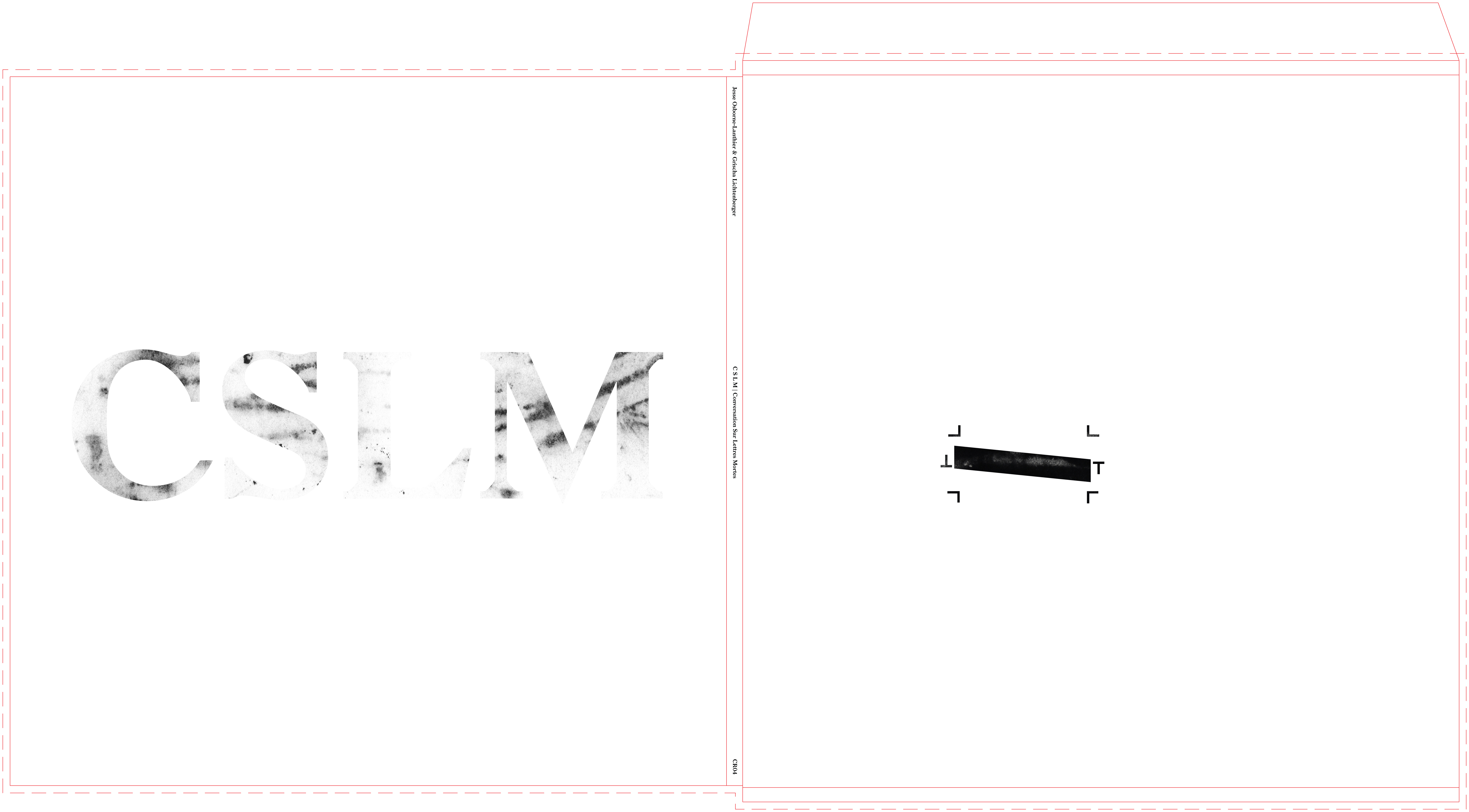
Conversation Sur Lettres Mortes is a project by Jesse Osborne-Lanthier and Grischa Lichtenberger first realized for Mutek / Elektra 2014 at the MAC in Montréal, QC Canada. The music on this record was generated using various cathode ray televisions sets and VHS units. The conversation (as a part of it is shown here) is an unfinished reflection of misplaced and discarded artefacts.
“Task of childhood: to bring the new world into symbolic space. The child, in fact, can do what the grownup absolutely cannot: recognize the new once again. For us, locomotives already have symbolic character because we met with them in childhood. Our children, however, will find this in automobiles, of which we ourselves see only the new, elegant, modern, cheeky side. (...) To each truly new configuration (...) there correspond new “images”. Every childhood discovers these new Images in order to incorporate them into the image stock of humanity.” — Walter Benjamin, The Arcades Project Konvolut K1,a3
The Cathode Ray Television Tube is disappearing from its ancestral site in the living room of our homes. Due to the increasingly frequent submergence of technological novelties, this phenomenon takes place nearly unnoticed. Therein, there is no room or discourse to deal with the emotional traces we are left with – the intimate connection to this artefact of our childhoods.
It seems that within every piece of technology is injected some sort of latency; as if inside any device, a ghostly voice whispers to its holder about a detachment which needs to be overcome. Detachment, in this case, refers to the distance between the individual and everything else; the incapacity to connect and the tension (la folie) that comes with it. It is this detachment which creates the problem of possessing the object, but also arguably, is the force that creates the desire to possess the thing in the first place. The fulfillment which is sought through the possession of things is, from the start, infected by an overwhelming demand to restore lost experiences of the past. Technology is not only what it promises to be (to hold progress in one’s hands), but is also a conservation of the memory of the emergence of the necessity to possess. When an object finally loses its functional capacity (becomes obsolete in its usefulness), it sediments into an artefact within which still lies the hope inscribed by its production, and finally, these whispers become haunting and audible.
Technological ubiquity denies our recognition of the phenomenon; we tumble along, ever to fulfill the demands of the tempting and elusive future, losing grip on the weight of our own biographies and, within all the noise, missing the whispers of despair emitted by everyday objects. Meaningless production, in this respect, is one of the greatest dangers of modernity. Between meeting the overwhelming economic and social demands, these ghosts of our past narrations might haunt us; might push us to whisper back ourselves; might insight us to opt for a less detached and destructive production.
The relation between tradition (the weighted force of past) and trade (the powerful mechanism of economic relations) can be traced back to the dichotomy between the private and the public, or further, between the individual and the outside world. The child, in this case, learns about the outside world by playing with objects that come directly from it; objects dotted by the unfulfilled wishes of grown-ups, objects which are merely meant to perform a function. But despite their inventors’ intentions, they can re-communicate the potential of their possibility. In the relationship between a child to an object, the greatest difference (as opposed to between an adult and an object) is that the child can find novelty where the adult cannot. The play-thing becomes a symbol of whatever the child wants it to be (the ghostly whisper inserted), and whatever symbol it represents is canonized within it forever. In this is a relief of the latency inside the produced object. However, by this playing, the child also inevitably learns the laws of trade. The connection the child develops to things turned over to it is, from the start, distorted by a possibility of possession, with the child inscribing in the object both possibilities: the potential to possess the thing as freeing empowerment, and the possession of the thing as a fetishism (the haunted, damned unreliability of the thing).
C S L M
GHOSTS HORIZONTAL HOLD CONTROL INCORRECTLY SET
A1- CRT Creeper B1- CRT Creeper (Low Jack RMX)
A2- House / Magma B2- Good Morning America (Gábor Lázár RMX)
A3- Comcast B3- 4% (Rabit RMX)
A4- Good Morning America
A5- 4% (Maurice)
A6- Primetime
Thanks to Madison Dinelle & Sarah Ambrosi. Dedicated to Maurice (d. 2014).
All tracks written, produced and mixed by Jesse Osborne-Lanthier & Grischa Lichtenberger.
Track B1 remixed by Philippe Hallais, track B2 remixed by Gábor Lázár, track B3 remixed by Eric Burton.
Artwork and design by Jesse Osborne-Lanthier & Grischa Lichtenberger. Mastered and cut by Matt Colton @ Alchemy Mastering.
Distribution @ boomkat.com
© Jesse Osborne-Lanthier & Grischa Lichtenberger under exclusive licence to Cosmo Rhythmatic 2016.
CR04 - cosmorhythmatic.com
You should also read:
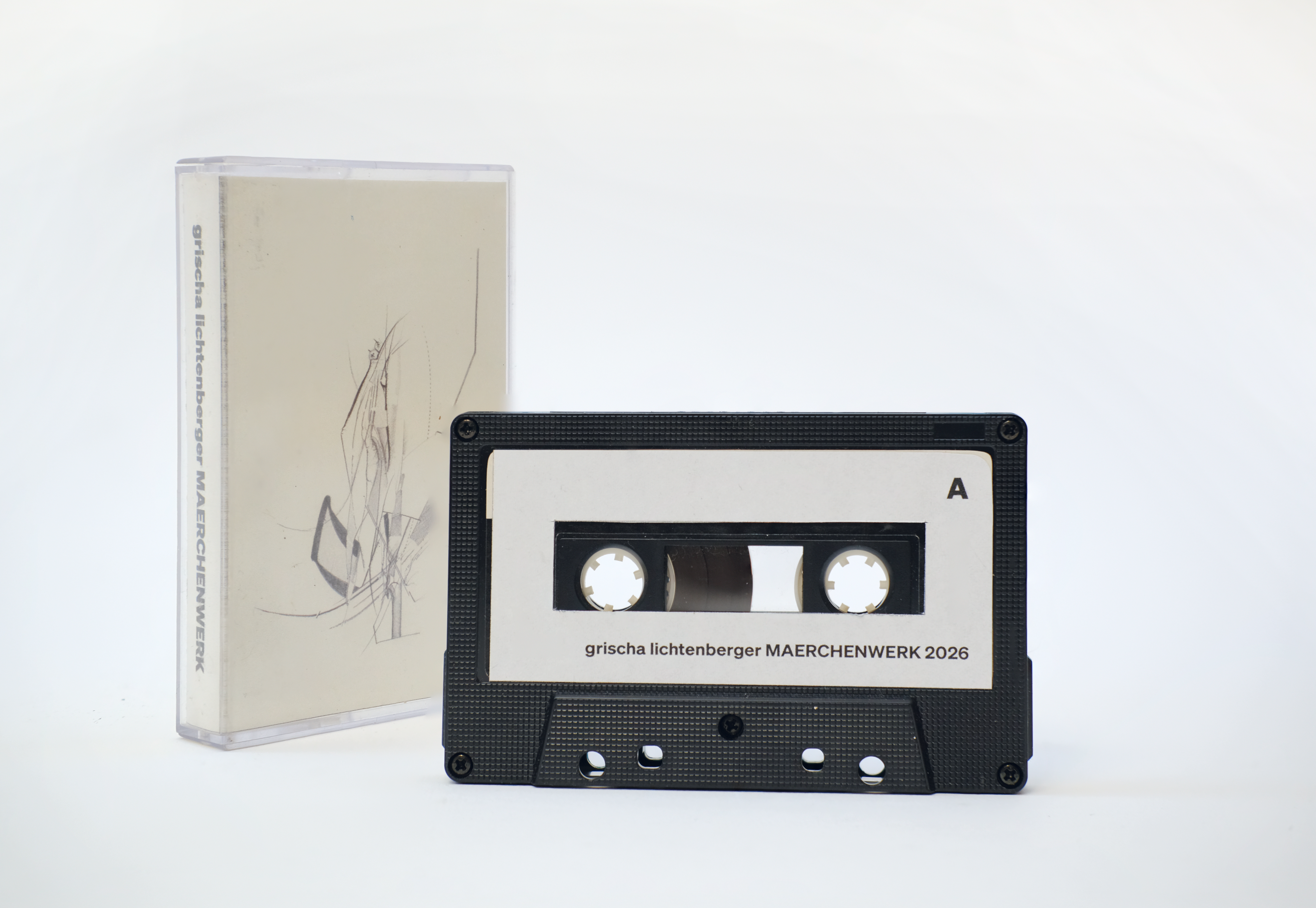
_rel: maerchenwerk (radio industry) 2026
0226_26_maerchenwerk A 0226_26_maerchenwerk B
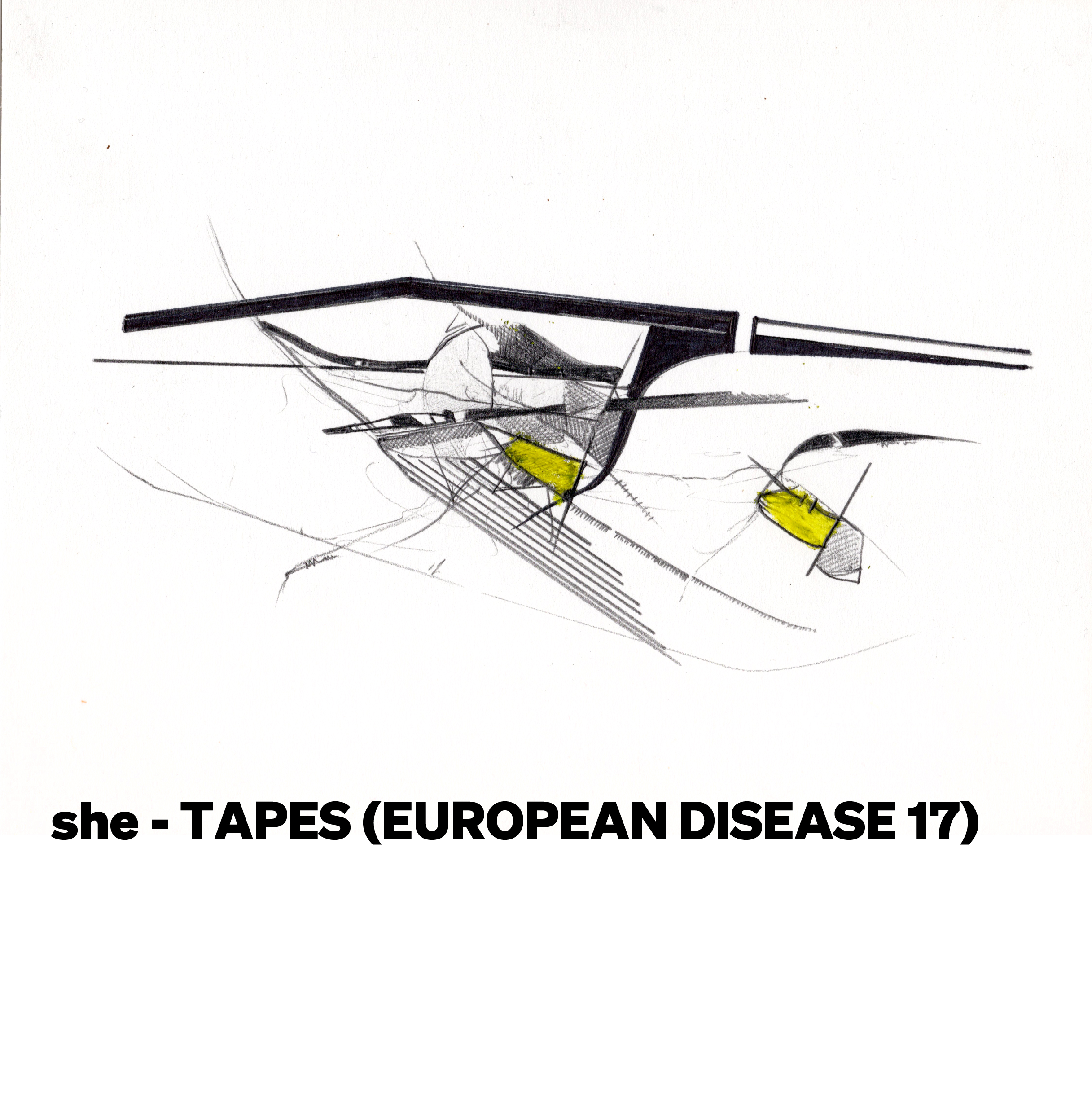
_rel: she - TAPES (european dease 17) 2026
stefan heinrich ebner - tapes (european disease 17)
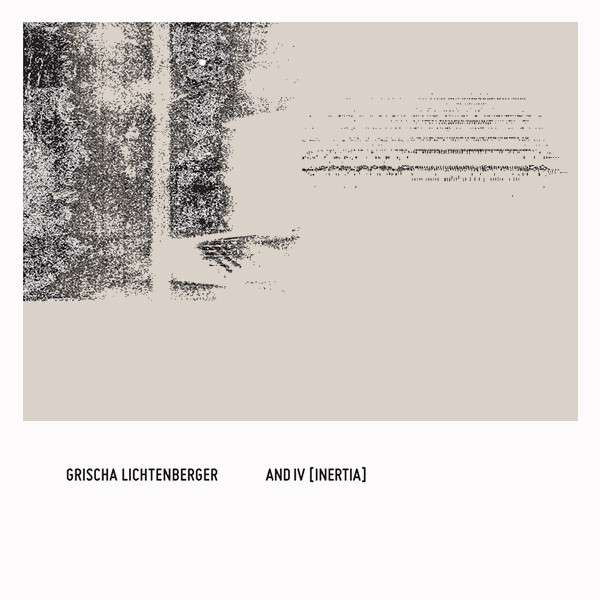
_rel: and iv (inertia) (r-n 143) 2012
»the title ›and IV (inertia)‹ refers to a fictionalized successor of the baksan neutrino telescope in the caucasus region. at first, it has been an idea for a novel, based on the consideration that it is impossible to deal with the topic of a ›lebensraum‹…

_rel: graviton - cx (rigid transmission) (semantica 37) 2011
Graviton - cx (rigid transmission). SEMANTICA 37 by Grischa Lichtenberger
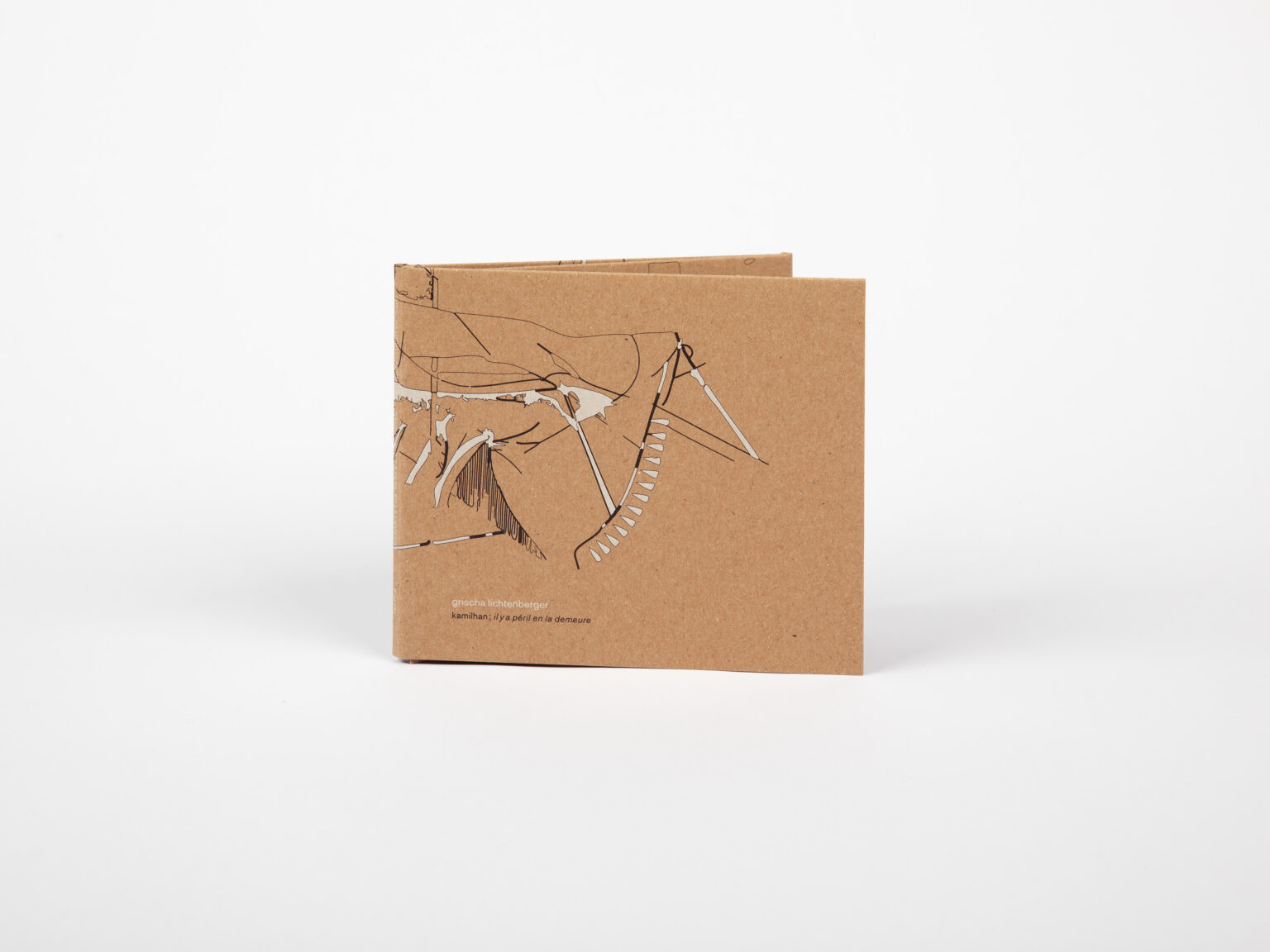
_rel: kamilhan; il y a péril en la demeure (r-m 171) 2020
»KAMILHAN; il y a péril en la demeure« is the conclusion of a 5-part work cycle by artist grischa lichtenberger which was initiated with the album »LA DEMEURE; il y a péril en la demeure« in 2015 and continued with the 3-part EP »spielraum, allgegenwart,…
_rel: 1224_28_lv_1_re obliteration (dnd EM 24102_7002) 2024
Artwork, Text By, Video Producer, Producer – Grischa Lichtenberger Mastered By – Kim, Changhee* 1224_28_lv_1_re obliteration by Grischa Lichtenberger
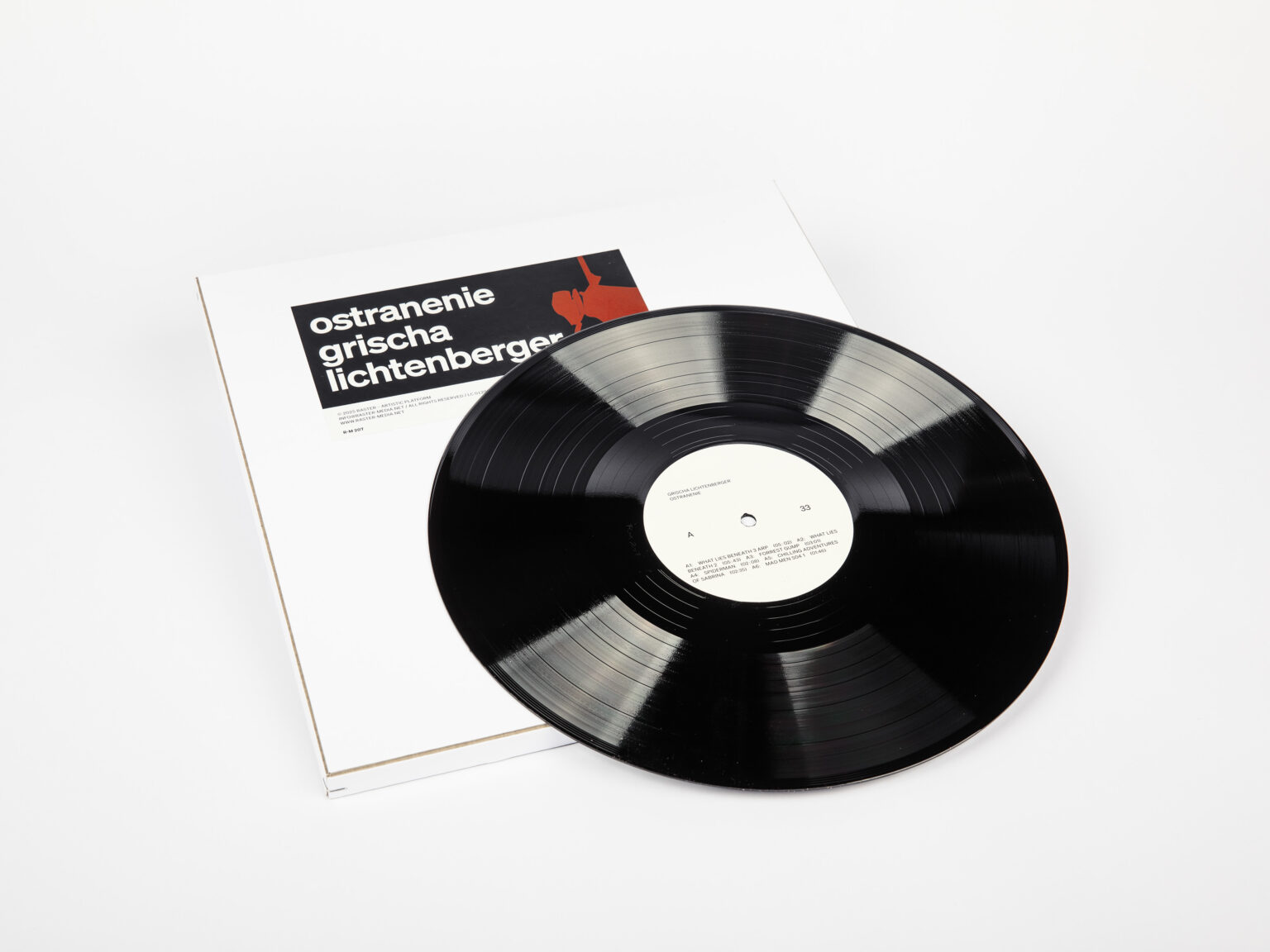
_rel: ostranenie (r-m 207) 2025
»ostranenie« is a collection of digitally manipulated, impressionistic piano miniatures – each named after blockbuster films and TV series. improvised late at night as a reaction against passive media consumption, these pieces function as both homage and critique, navigating the space between classical impressionism and…
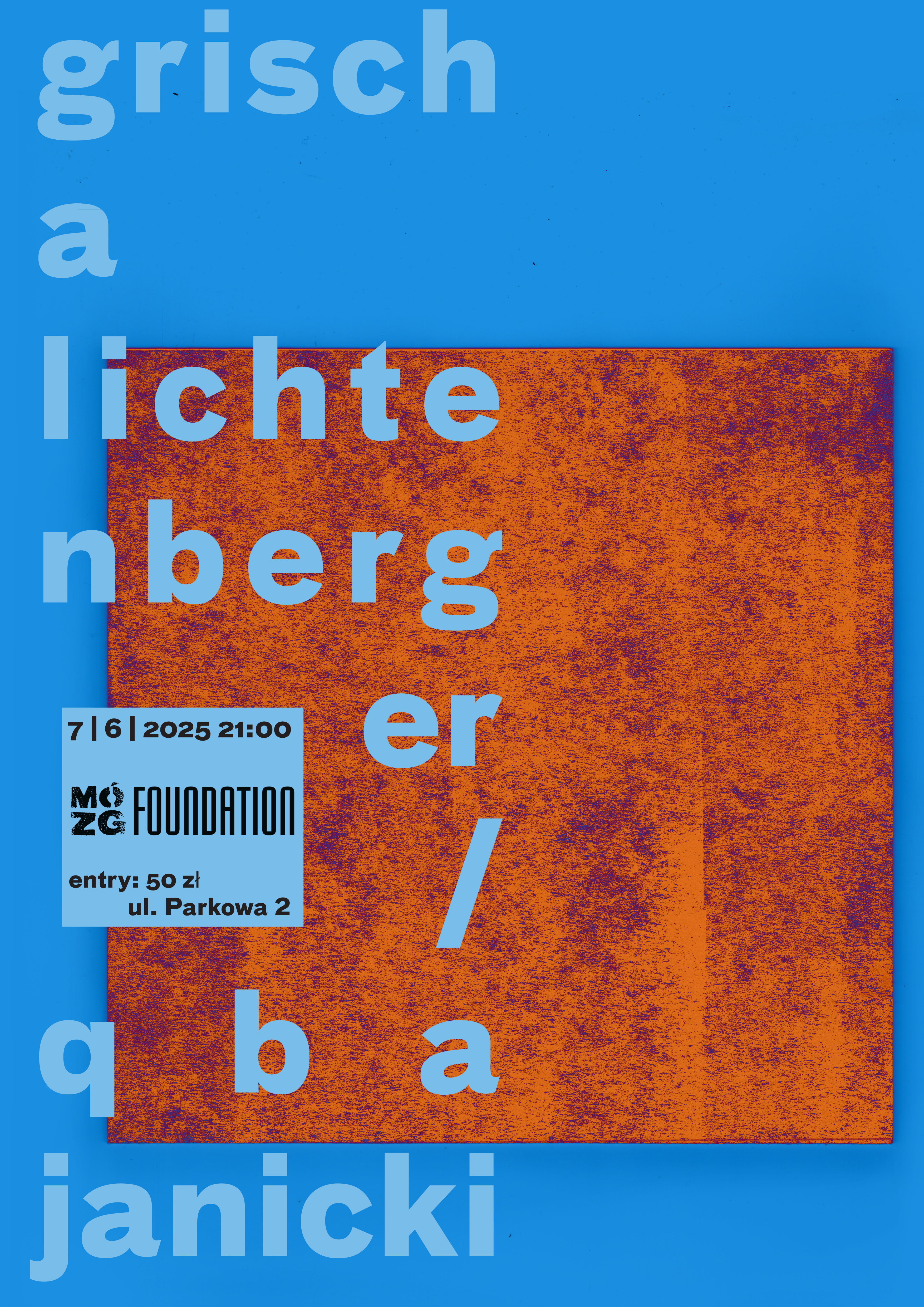
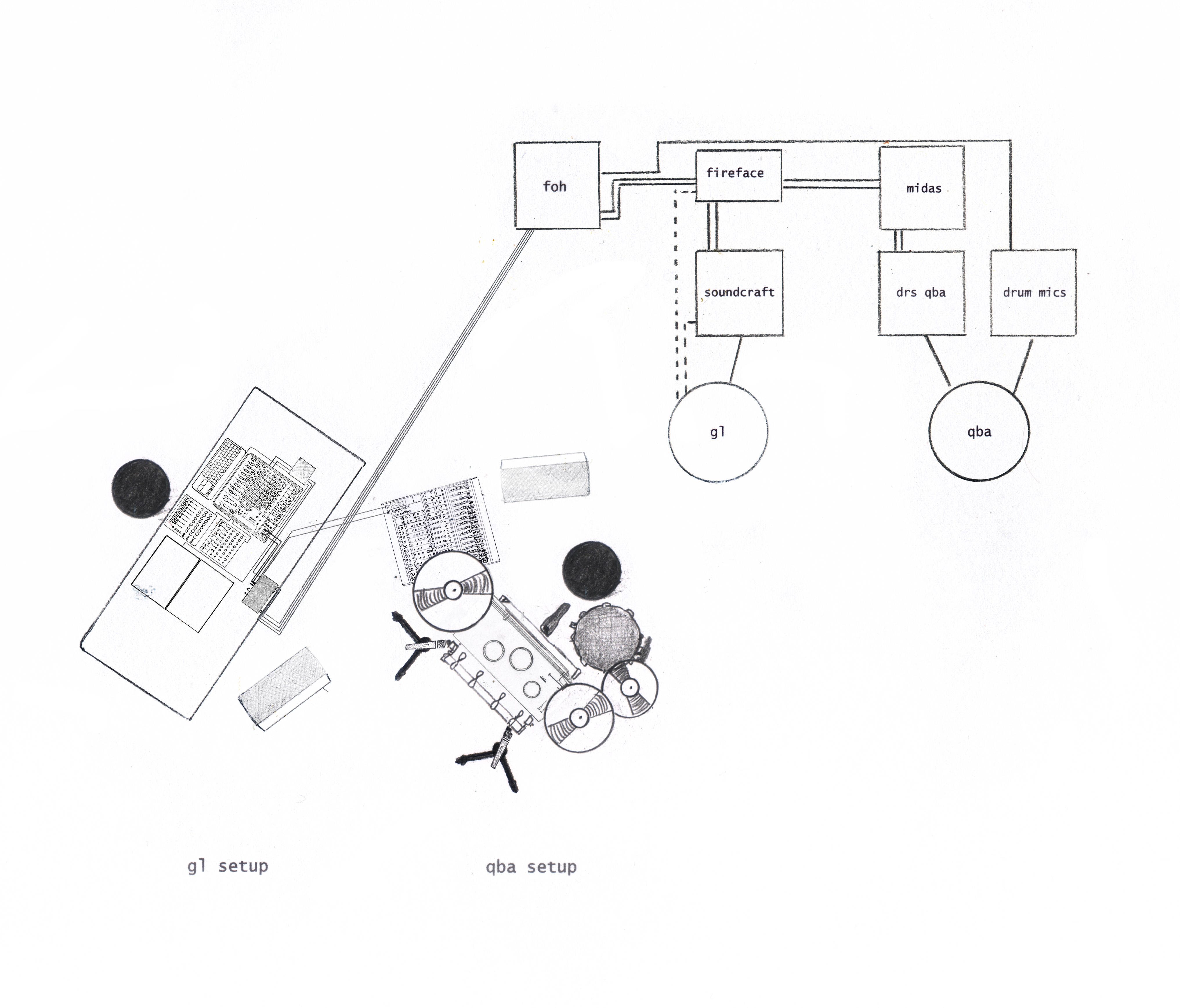
techrider qba janicki + grischa lichtenberger (0525)
techrider qba gl 0525

_rel: live at fondazione museo pino pascali (hrl 04 2025)
Recorded Live At Fondazione Museo Pino Pascali for the Hermit Festival 2013.
_rel: ostranenie (weißmuster limited edition) 2025
0325_20_ostranenie led_001_adolescence e04 0325_20_ostranenie led_002_reacher s02e03 0325_21_ostranenie led_003_shostakovich vs stalin 0325_21_ostranenie led_004_where did bernadette go 0325_22_ostranenie led_005_shock and awe 0325_23_ostranenie led_006_dawson s creek s01e04 0325_23_ostranenie led_007_alice in chains 0325_24_ostranenie led_008_feynman laws of conversion 0325_24_ostranenie led_009_kapitalismus e01 0325_24_ostranenie led_010_edge of tommorow 0325_24_ostranenie led_011_zerkalo_the mirror 0325_24_ostranenie led_012_europa…
_rel: la demeure; il y a peril en la demeure (r-n 169) 2015
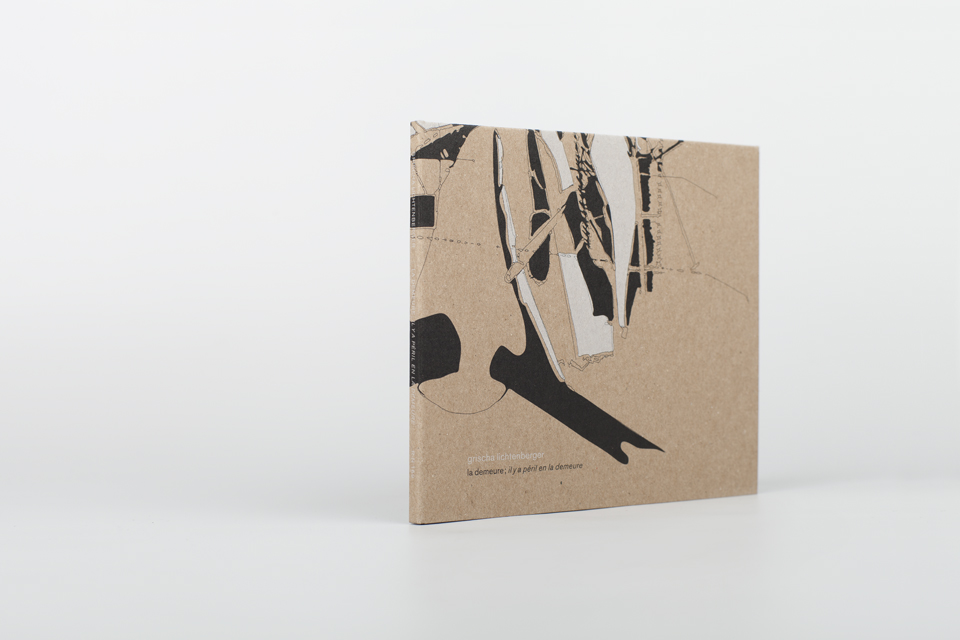
LA DEMEURE, il y a péril en la demeure by Grischa Lichtenberger
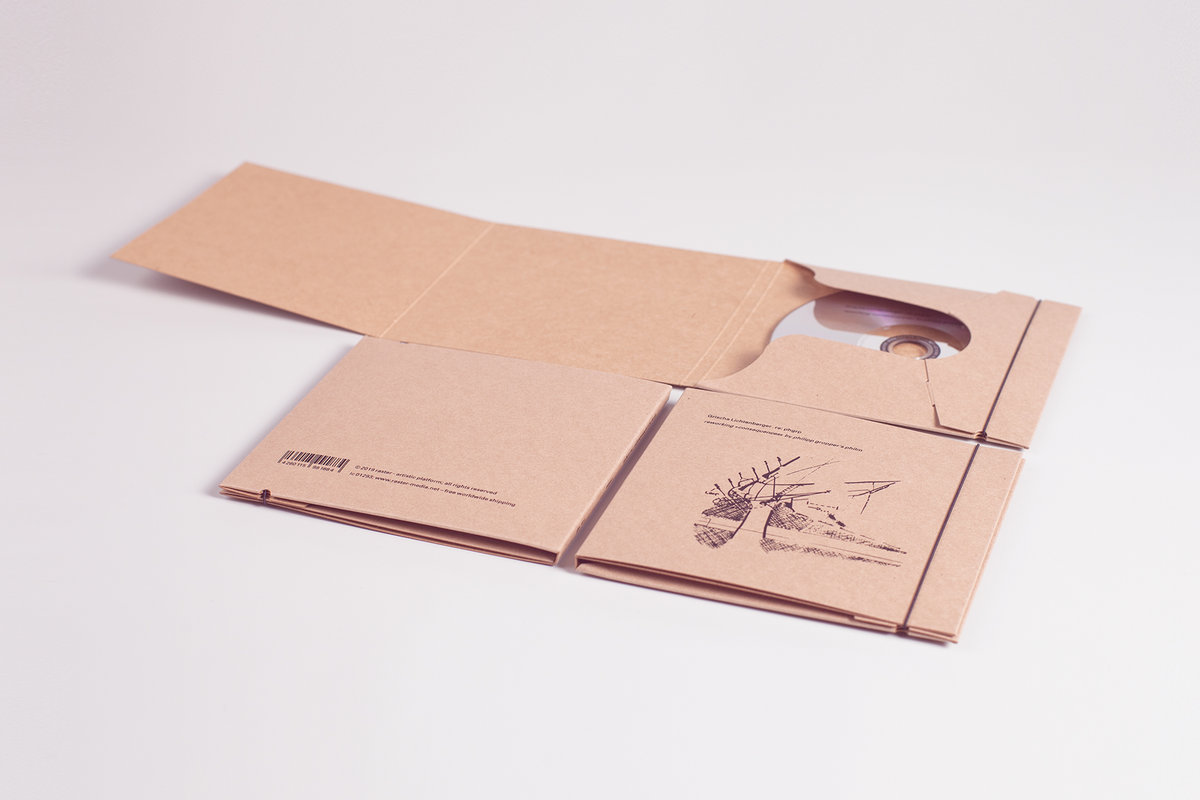
_rel: re:phgrp (reworking consequences by philipp gropper's philm) (r-m 188 2019)
re: phgrp (reworking »Consequences« by Philipp Gropper's PHILM) by Grischa Lichtenberger Grischa Lichtenberger’s music stands for broken rhythms, for high-density manipulations that emphasize the digital and fractal nature of its working process. A mindset that grew closer to contemporary jazz in recent years. Since free…
_rel: spielraum / allgegenwart / strahlung (r-n 168/172/173) 2016
spielraum/allgegenwart/strahlung - limited edition 12"vinyl + handmade silkscreen print out on oct 7th 2016 ep 1 spielraum - invisible freedom they say that the inventions of the famous swiss clock happened in the spare time. the farmer who were working on them had nothing left…
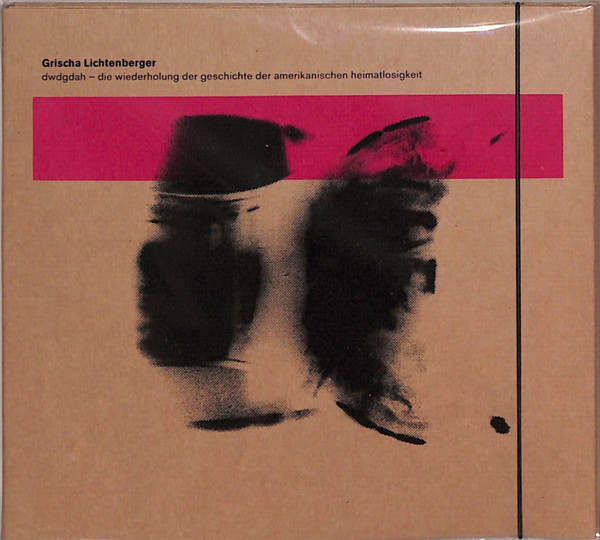
_rel: die wiederholung der geschichte der geschicte der amerikanischen heimatlosigkeit (dwdgdah) (rm 211) 2023
making electronic music means working with files. besides cutting them, rearranging them, manipulating them, this also means working with the archive, confronting different dates in time with eachother. creating the liveset for dwdgdah created the unique opportunity for me to confront material that is almost…
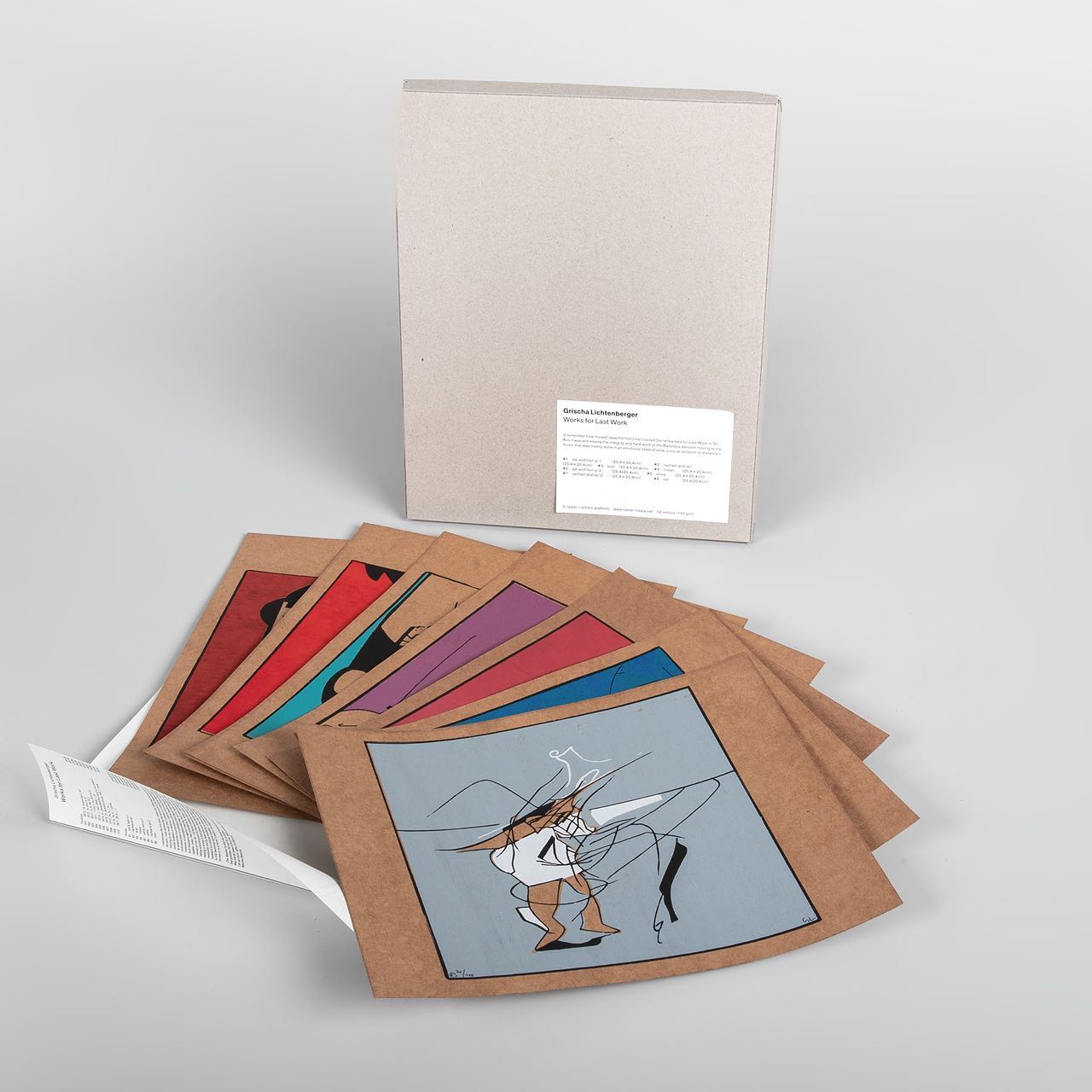
_rel: works for last work (r-m ext013) 2023
works for last work (digital audio + limited silkscreenprint edition) (raster-media ext013)
barcelona angle (2016)
3 pastels of barcelona 42x31cm (for angel)
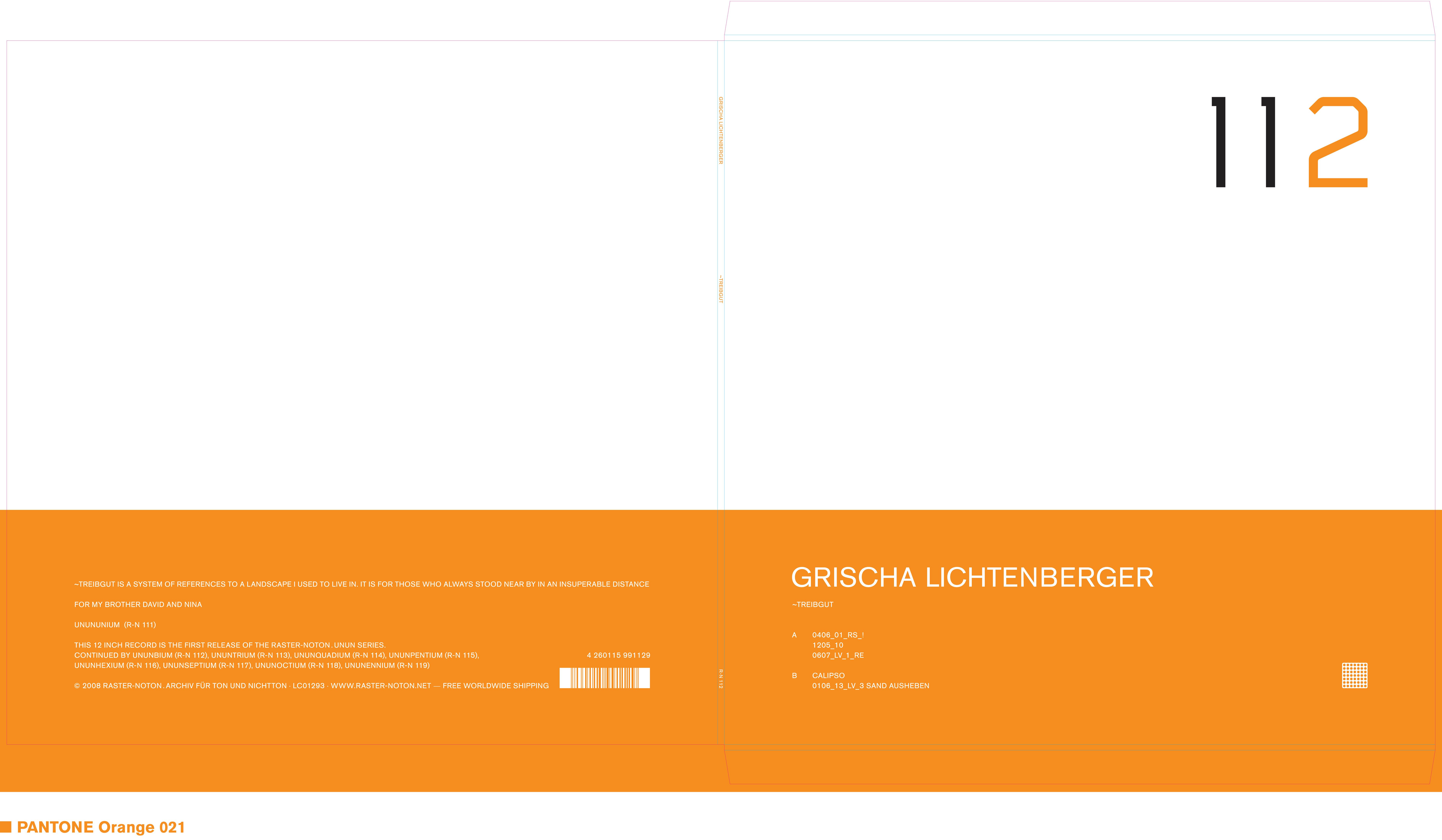
_rel: ~treibgut (ununumbium r-n112)
die schwierigekeit über den zusammenhang der arbeiten zu schreiben verrät schon sehr viel von der auseinandersetzung der arbeiten selbst: ~treibgut oder treibgut, wie machs gut ist keine konzeption, sondern mehr abbild der auseinandersetzung um die legitimation von künstlerischer produktion selbst. "hier, ist der ort, der…
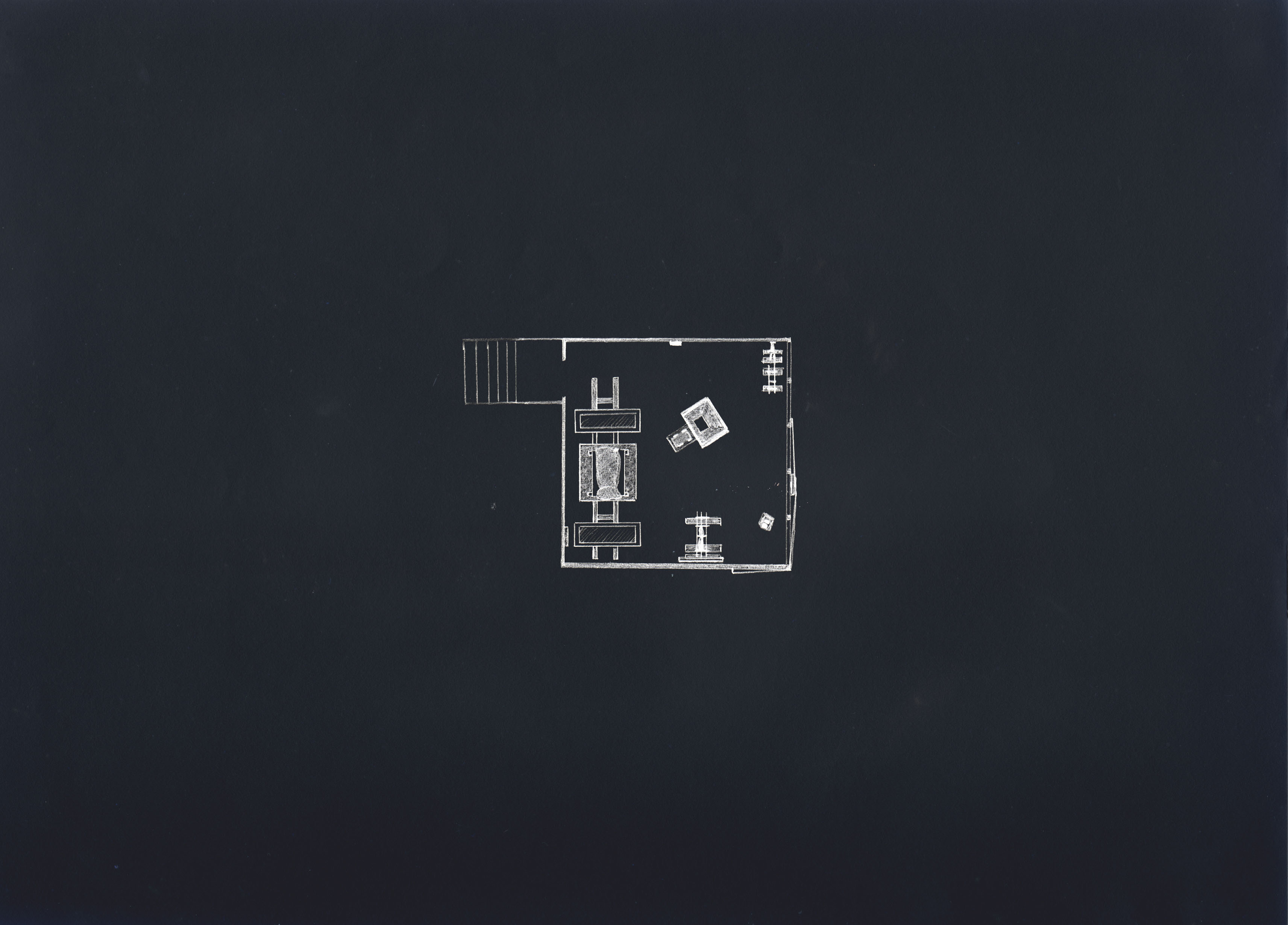
_inst: squeeze machine (plattenvereinigung, berlin 2016)
installation in der plattenvereinigung auf dem tempelhofer feld berlin 2016 (mit sarah ambrosi) The archetype of Temple Grandin's squeeze or hug machine is a cattle crush in which livestock could be calmed down. By fixating its head and pushing its body from the side with…